Fiscal Policy and Economic Regulation
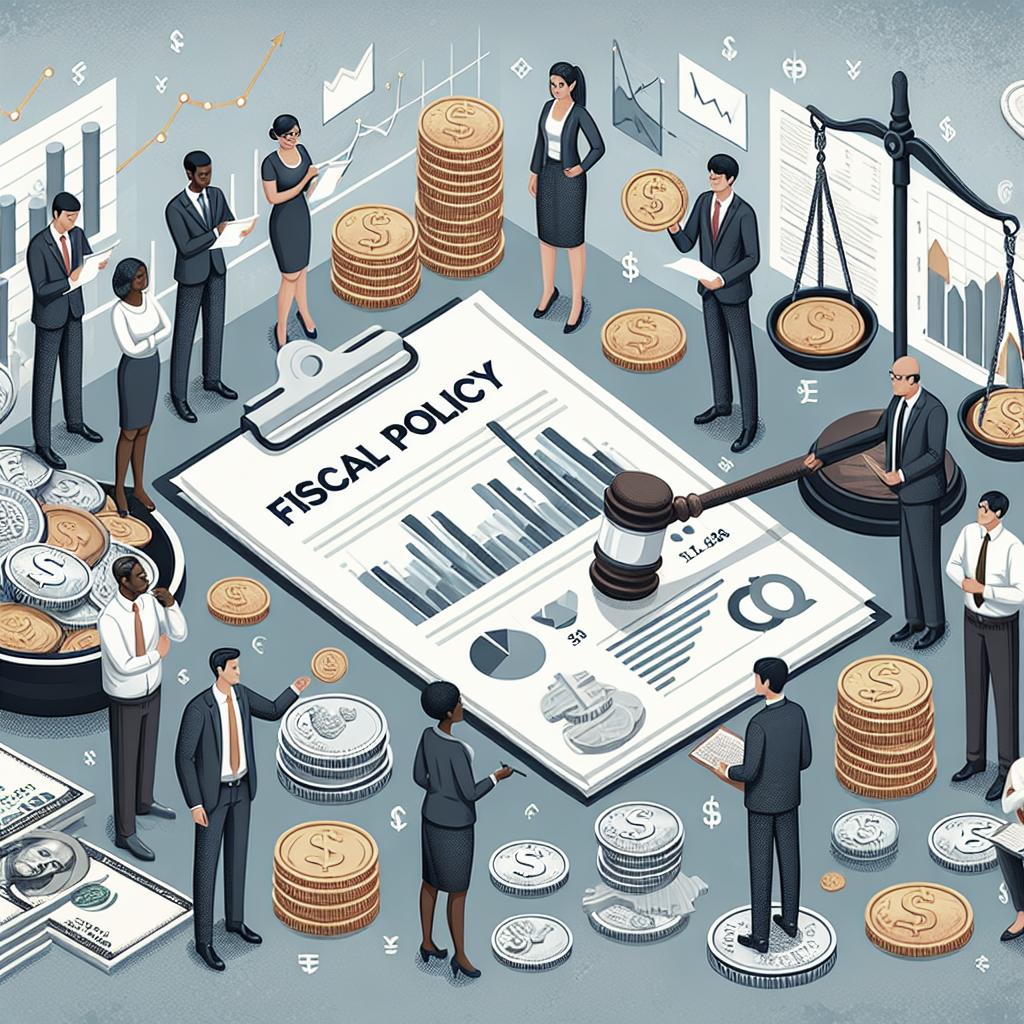
Fiscal policy plays a pivotal role in shaping the economic landscape of a country. By employing government spending and taxation strategies, fiscal policy aims to manage economic fluctuations and maintain financial stability. This blog post delves into the intricacies of fiscal policy, exploring its types, tools, and effects on people and markets. We will also discuss the differences between fiscal and monetary policy, highlight the entities responsible for fiscal decisions, and ponder the implications of government involvement in the economy. Finally, we’ll examine both the benefits and potential downsides of expansionary fiscal policy.
What Is Fiscal Policy?
Fiscal policy refers to the use of government spending and taxation to influence the economy. It is an essential tool employed by governments to manage economic objectives such as growth, employment, and inflation. By adjusting the levels of spending and tax collection, fiscal policy seeks to achieve a stable and prosperous economy.
Government interventions through fiscal policies can stabilize economic fluctuations, aiming for an optimal level of aggregate demand. These strategies are particularly vital during times of economic downturns or overheating economies, as they can provide a crucial balance between growth and inflation control.
Key Takeaways
Fiscal policy encompasses methods that involve government spending and adjusting tax rates to influence a nation’s economy. Its primary goals include managing inflation, reducing unemployment, and promoting economic growth.
Fiscal decisions have wide-reaching effects on individual lives and business operations, making this policy tool a potent lever for economic stability and growth. Through judicious fiscal actions, governments can help mitigate adverse economic cycles and drive long-term prosperity.
Understanding Fiscal Policy
Understanding fiscal policy requires grasping how the government uses taxation and expenditure as instruments to govern economic health. It’s about finding the equilibrium between revenue streams and expenditure outflows.
Variable Private Sector Behavior
The private sector’s behavior is often unpredictable, which might lead to economic instabilities. Fiscal policy intervenes to stabilize these inconsistencies by adjusting taxes to influence spending and savings behaviors.
By predicting and correcting these behaviors, fiscal policy can bolster economic activities, ensuring sustained consumer and business confidence in markets.
Corrective Government Fiscal Action
Corrective measures involve strategic fiscal interventions, such as altering government spending to outperform economic challenges. During periods of weak demand, the government might increase spending to stimulate the economy.
Similarly, in times of excessive growth, fiscal tightening through reduced spending or increased taxes can help prevent overheating and keep inflation in check.
Fiscal Policy Example
An illustrative example of fiscal policy is the U.S. government’s response to the 2008 financial crisis. The implementation of large-scale spending programs and tax relief aimed to revive the economy from recession.
These measures helped sustain demand, create employment, and stabilize financial systems, demonstrating the capacity of fiscal policy to address and alleviate economic shocks.
Types of Fiscal Policies
Fiscal policies can be broadly categorized into two types: expansionary and contractionary. Each serves distinct purposes and employs various tools to achieve economic goals.
Expansionary Policy and Tools
Expansionary fiscal policy is deployed to stimulate demand through increased government spending and cutting taxes. The goal is to promote economic activity by leaving more money in the hands of consumers and businesses.
Lower tax rates and increased public expenditure can fuel investment and consumption, driving economic growth during periods of slow economic performance or recession.
Contractionary Policy and Tools
In contrast, contractionary fiscal policy aims to slow down economic overheating and control inflation. This can be accomplished by reducing government spending and raising taxes.
This approach is often used when an economy experiences rapid growth that could lead to an inflationary spiral, demanding a measured response to temper expansion.
Downside of Expansionary Policy
While expansionary policy can invigorate a sluggish economy, it may also lead to increased debt levels and inflation in the long term. When government spending outpaces revenue, budget deficits can expand.
Inflationary pressures may arise if demand substantially surpasses supply capabilities, potentially leading to price volatilities that can destabilize the economy.
Fiscal Policy vs. Monetary Policy
While fiscal policy involves government spending and taxation, monetary policy is regulated by central banks and includes tools like interest rates and money supply control. Both target economic stability but through different mechanisms.
Coordination between fiscal and monetary policies is crucial for effective economic management, as misalignment could lead to counterproductive impacts on growth and inflation.
Who Handles Fiscal Policy?
Fiscal policy decisions are typically made by government bodies such as the nation’s treasury or finance department. These entities oversee budget proposals and work in tandem with legislative bodies to implement necessary changes.
The effectiveness of fiscal policy is contingent on the government’s ability to accurately forecast future economic scenarios and effectively implement strategic policies.
What Are the Main Tools of Fiscal Policy?
The primary tools of fiscal policy include government spending, taxation, and transfer payments. Adjusting these levers can directly influence economic activity.
Strategic public investment and varying in tax structures can lead to either increased consumption or savings, thus aiding in economic adjustments to align with policy goals.
How Does Fiscal Policy Affect People?
Fiscal policy impacts individuals’ purchasing power, job opportunities, and overall well-being. Tax cuts can increase disposable income, affecting consumption behavior, while government spending often opens up new jobs and services.
People’s perceptions of fiscal policy effectiveness can influence economic outcomes through consumer confidence and risk appetite, highlighting the significance of public sentiment in fiscal decision-making.
Should the Government Be Getting Involved With the Economy?
Debate persists over the degree of government involvement in economic affairs. Supporters argue that strategic interventions are necessary to address market failures and protect against economic shocks.
Critics, however, contend that excessive interference might stifle innovation and lead to inefficiencies. Striking a balance is crucial for ensuring robust economic growth while fostering a competitive and free market.
The Bottom Line
Fiscal policy remains an indispensable tool for economic regulation, exerting influence over markets through government actions on spending and taxation. Its role is multifaceted, involving a delicate balance between stimulating growth and controlling inflation.
Effective fiscal management requires foresight, adaptability, and strategic planning. By comprehensively understanding and implementing fiscal policy, governments can navigate the complex economic environments of today’s world.
Lessons Learned
| Aspect | Key Points |
|---|---|
| Fiscal Policy Definition | Government’s use of spending and taxation to influence the economy. |
| Types | Expansionary and contractionary, used for stimulating or slowing the economy. |
| Downsides | Potential for increased debt and inflation with expansionary policy. |
| Comparison | Fiscal policy vs. monetary policy: different approaches to stabilize economy. |
| Impact | Effects on employment, consumption, and economic growth. |