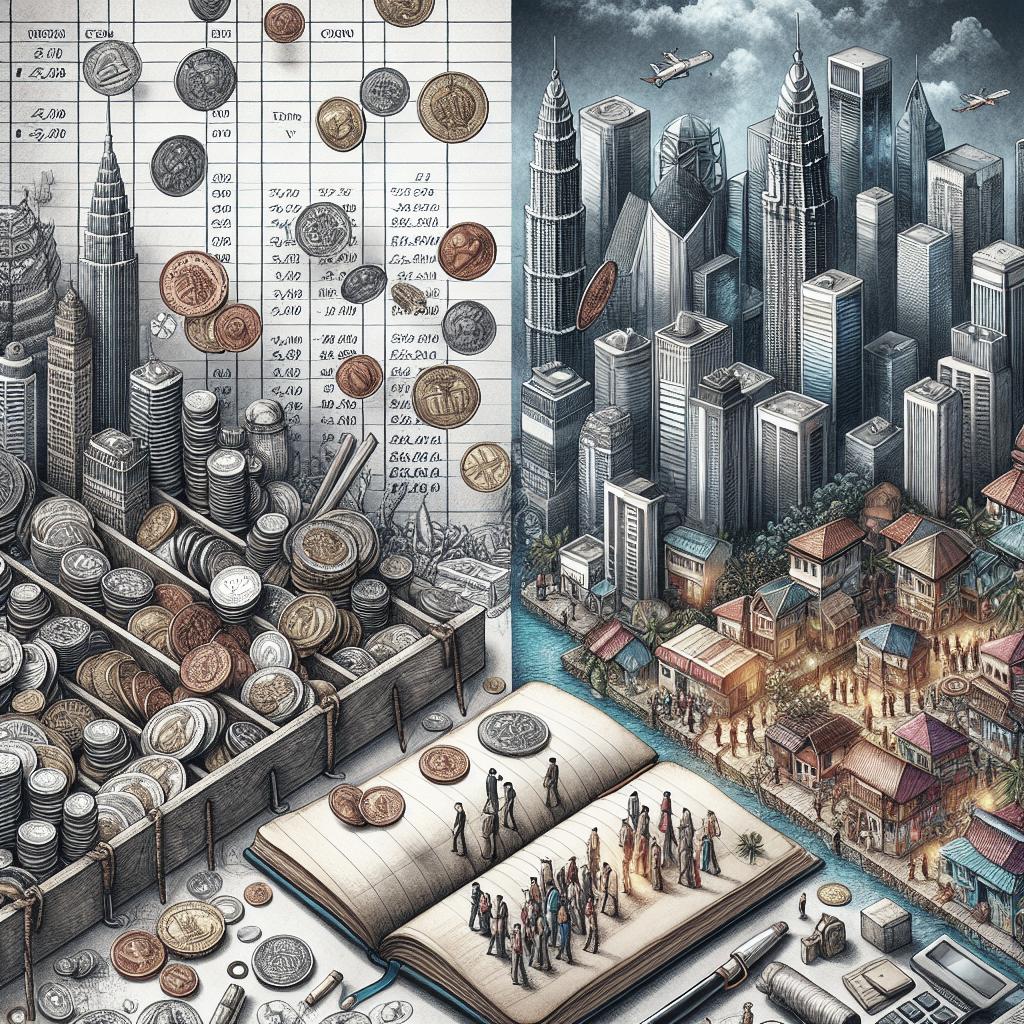
Taxation and Economic Development
Taxation and economic development are intricately connected components of a nation’s growth strategy. With state tax changes taking effect from January 1, 2025, understanding the nuances of these changes is crucial for businesses, policymakers, and citizens alike. This post delves into how taxation influences economic development, including specific state tax policy updates, essential trends in modern tax systems, and the broader economic implications. It also explores future outlooks for these modifications, providing a comprehensive overview of the fiscal landscape as we approach the mid-2020s.
State Tax Changes Taking Effect January 1, 2025
As January 1, 2025, approaches, several states in the U.S. are set to implement significant updates to their tax codes. These amendments reflect a variety of strategies aimed at fostering equitable economic growth and addressing budgetary pressures. From restructuring income tax brackets to adjusting corporate tax rates, each state’s approach reflects its unique economic conditions and policy priorities. States are increasingly focused on maintaining competitiveness while ensuring a fair tax system that can support key public services such as education and infrastructure.
For instance, State A plans to introduce a progressive income tax structure, aimed at alleviating the tax burden on low- and middle-income families. This change is expected to stimulate consumer spending, thereby spurring economic activity. Meanwhile, State B is experimenting with reducing corporate taxes, hoping to attract more businesses and stimulate job creation. These strategic decisions are part of a broader effort to balance immediate fiscal needs with long-term economic objectives.
In addition to rate adjustments, some states are incorporating modernized tax collection methods, leveraging technology to improve efficiency and transparency. By adopting automated systems and digital tax filing solutions, states aim to minimize compliance costs and errors, making the process more straightforward for taxpayers. These enhancements also reflect a growing trend towards embracing technology as a means of optimizing governance and fiscal management.
Taxation as a Tool for Economic Development
Taxation serves a dual role as a revenue-generating mechanism for governments and as a strategic tool for economic development. By carefully calibrating tax policies, states can encourage investment, innovation, and economic expansion. For example, tax incentives for research and development can spur technological advancements, ultimately leading to increased productivity and growth. Similarly, lowering taxes in economically disadvantaged areas can stimulate regional development by attracting businesses and talent.
Effective tax policy can also address inequalities by redistributing wealth and funding programs that promote social welfare and upward mobility. By ensuring that all citizens contribute fairly, taxation policies can enhance socio-economic equity, improving public trust and civic engagement. Furthermore, international examples, such as Ireland’s favorable corporate tax rates, demonstrate how strategic taxation can position countries competitively in the global market, driving foreign investments and creating job opportunities.
However, achieving the right balance is crucial, as excessive taxation can deter investment and economic activity. Policymakers must navigate these challenges by leveraging data-driven insights and economic models to forecast the impacts of tax changes. This balanced approach can support sustainable economic development, fostering an environment that benefits businesses and their communities alike.
Trends in Modern Tax Systems
The evolution of taxation systems is shaped by global economic trends and technological advancements. One significant trend is the shift towards a more digital tax system, where transactions are recorded and reported electronically. Such systems increase efficiency and accuracy in tax collection while reducing administrative burdens on businesses. The adoption of blockchain technology is also gaining traction, offering secure, transparent, and tamper-proof records that could redefine tax compliance and auditing processes.
Another trend is the growing emphasis on environmental taxation. As countries strive to meet their climate goals, eco-taxes are emerging as a means to encourage sustainable practices and reduce carbon footprints. By levying taxes on carbon emissions or offering tax credits for renewable energy investments, governments can steer economies toward greener practices, which is pivotal in addressing climate change challenges and promoting sustainable growth.
Furthermore, globalization is influencing tax systems, prompting more countries to collaborate on measures to prevent tax evasion and profit shifting. Initiatives like the OECD’s Base Erosion and Profit Shifting (BEPS) framework aim to ensure fair and transparent tax practices across borders, reflecting a recognition of the interconnected nature of modern economies. These trends underscore the importance of adaptive tax policies capable of meeting the dynamic needs of the 21st century.
Fiscal Policies and Economic Implications
Fiscal policy, encompassing both taxation and government spending, is a critical lever in managing economic development. By adjusting tax rates and expenditures, governments can influence overall economic demand, thereby stabilizing the economy during downturns and curbing inflationary pressures during periods of rapid growth. For instance, during the recent economic disruptions, several countries employed targeted tax relief and stimulus packages to support businesses and individuals, demonstrating the pivotal role of responsive fiscal policies.
Taxation also plays a vital role in sustaining the social contract between governments and citizens. Ensuring that tax revenues are appropriately allocated to public services such as education, healthcare, and infrastructure can build trust and foster societal well-being. In the current global scenario, where socioeconomic disparities are widening, effective fiscal management is crucial in promoting inclusive growth and ensuring long-term stability.
Looking ahead, the trajectory of fiscal policies will need to balance immediate recovery efforts with long-term investments in areas like technology, workforce development, and sustainable infrastructure. Policymakers must remain vigilant, continuously evaluating the effectiveness of tax policies and their broader economic implications to navigate the complexities of modern economic landscapes.
Future Prospects
| Subheading | Key Points |
|---|---|
| State Tax Changes Taking Effect January 1, 2025 | State A’s progressive tax for economic stimulation; State B’s corporate tax reduction for job creation; modernization via technology. |
| Taxation as a Tool for Economic Development | Tax policy influences investment and innovation; redistributes wealth for socio-economic equity; balanced approach crucial for sustainable growth. |
| Trends in Modern Tax Systems | Adoption of digital and blockchain technologies; environmental taxes for sustainable practices; global collaboration against tax evasion. |
| Fiscal Policies and Economic Implications | Fiscal policy adjusts economic demand; taxes sustain public services and social contract; balancing recovery and long-term investment. |